
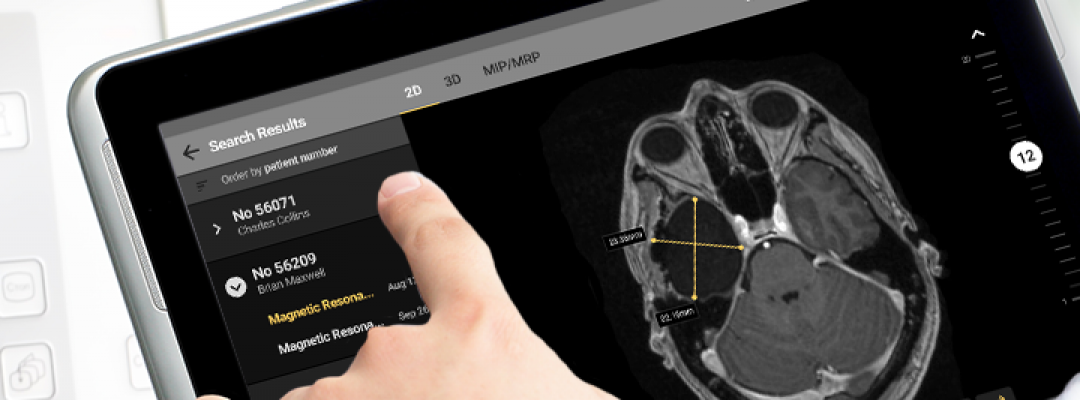
Health care is transforming to mobile communication
A recent study showed that by 2015 30% of all smartphone users are expected to use “wellness apps,” and that mobile devices (smartphones in particular) will be the most popular device among doctors since the stethoscope.
Drawing on the perspective of recent years, we can easily say that health care mobile solutions have evolved massively and will continue expanding their influence in the future. By 2018 the mobile health technology market is expected to reach 11.2 billion USD, which will be over 1000% growth since 2011!
As mobility grows and becomes more of a part of our everyday lives, Sqilline experts can observe that the market needs not only self-help apps on fitness & wellness, but serious and real medical solutions for diagnosis, emergency care, treatment and administration. The modern hospital has moved towards this technology, and is making great use of scanners, two-way radios, tablets, smartphones and other wireless solutions at every stage in health care process.
Not only this, according to the most recent industry data available by eClinicalWorks, doctors are beginning to encourage patients with certain symptoms to use mobile health apps to a degree that would have been unimaginable just a few years ago.
From a patient point of view, there are three main apps that would be of greater use to them:
- An app to book appointments with their GP and send reminders
- An app to view their medical records
- An app to check and test their results
From a doctor’s’ point of view active apps monitoring that can alert them in case of a health emergency, and an app for recording and sharing information while they are away from the medical institution, stand at the top of their list.
The Health Care Mobility care apps of the future:
- Mobile solutions that are used to collect and share data from the field in order to monitor
- Apps that improve clinical collaboration: consulting and sharing critical information at the time of need
- Patient care apps that enable specimen collection, testing, transfusion verification and patient monitoring
Medical institution administration management, including the patient admission/discharge process, billing, insurance claim processing, asset and facility management, and more.
Further advancement in mobile technology inevitably will move the focus to biometric sensors, augmented reality and genomic sequencers. One thing is certain, mobility is fast becoming an integrated element of the health care ecosystem.
At Sqilline we are highly engaged part of the trend with our recently announced corporate strategy and planned release of brand new Diagnostic Imaging mobile application in Q2 this year. More info to come soon.
Share this article
More News & Highlights

4 ways cloud computing and mobility will change the game for patients and doctor
While healthcare companies consider and re-consider the potential advantages and risks around cloud computing, their competitors are evaluating cloud solutions or probably already adopting them. Over the next few years, those companies, which fail to seize the cloud...
Sqilline launched an application for Diagnostic Imaging
Last week, on the National Conference on e-Health, Sqilline officially launched an application for Imaging Diagnostics. The application is created under SAP Hana Cloud Platform mobile services and will enable radiologists to view, comment and share results of patient...

Sqilline changes its corporate strategy to Application Development on SAP Hana Cloud Platform
Sqilline is realigning its company strategy with a focus on providing mobile and connected cloud solutions for the Healthcare industry. The new strategy of the company remains focused on the mobility area, building and delivering innovative solutions based on the HANA...
Products
Solutions
Insights